


NEWS
Discover the latest news from the Colombian-American Chamber of Commerce in Miami
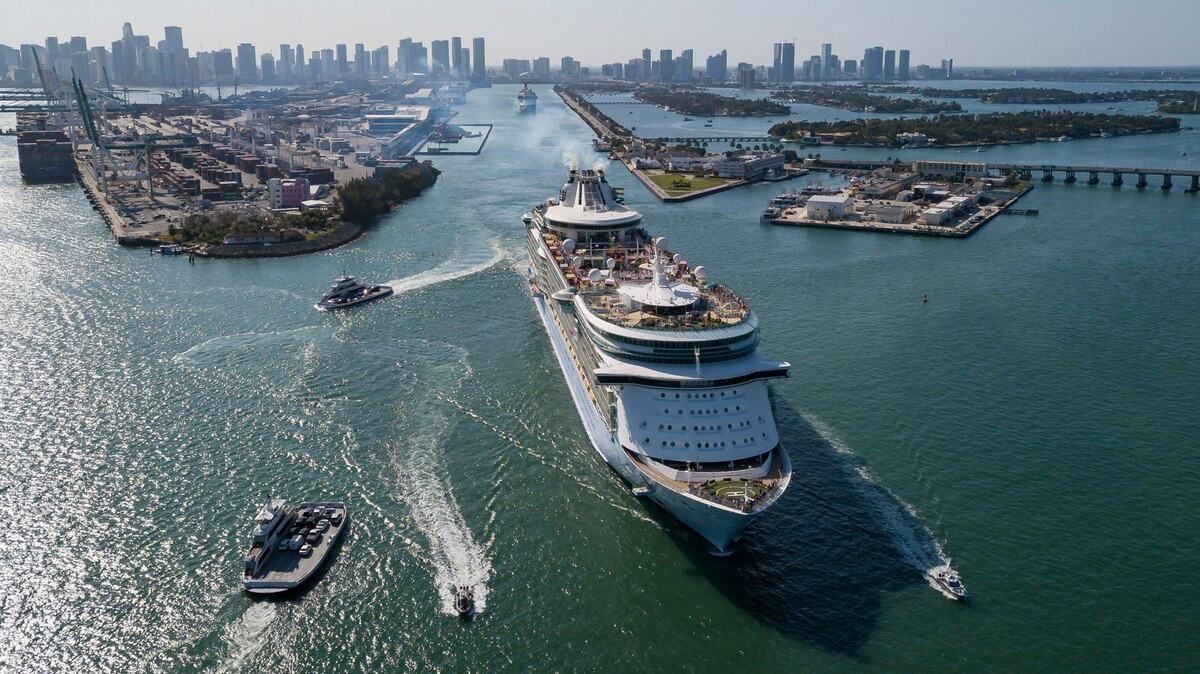
In the third quarter (Q3) of fiscal year 2026 (April 2026 – June 2026), trade between Colombia and PortMiami showed strong, sustained growth, reaching 12,648 TEUs . This volume represents a 9% year-over-year increase compared to the same period in the prior fiscal year. Furthermore, the total value of this bilateral trade reached $590.3 million , solidifying Colombia's position as PortMiami's third-largest trade partner in terms of container volume (TEUs) in the region, trailing only the Dominican Republic and Honduras. While this quarter's report does not specify the exact import-export breakdown for Colombia individually, the broader trade between Latin America and the Caribbean and PortMiami remained remarkably healthy and balanced, registering 51% exports and 49% imports . This highlights PortMiami's essential role as a two-way gateway, powered by 25 direct services connecting with 41 key regional ports , including major Colombian maritime hubs like Barranquilla, Cartagena, and Santa Marta . The newly released Q3 FY2026 report provides comprehensive, data-driven insights into regional activity, highlighting a total regional tonnage of 948,070 tons , a total trade value of $11,198,174,386 , trade balances, and service routes, alongside deep dives into the top 10 imports and exports of the season.
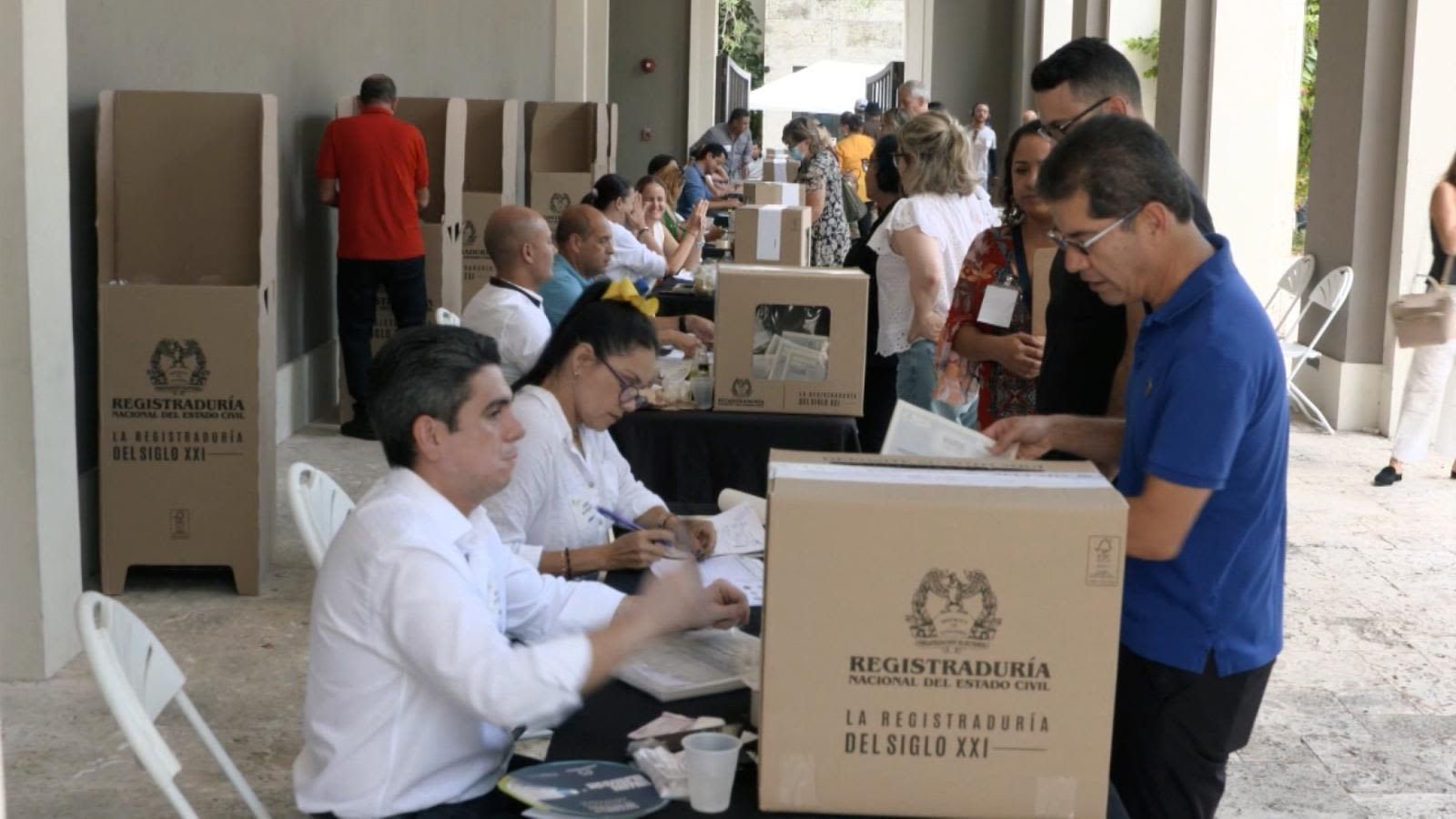
The Consulate of Colombia in Miami calls upon the South Florida community to participate in the presidential runoff election, which will take place from June 15 to June 21, 2026, from 8:00 a.m. to 4:00 p.m. (local time). For this process, it is essential that voters take the following provisions into account: Early Voting (June 15 to June 20) Voting will be strictly concentrated at the University of Miami (Watsco Center). Sunday Voting (June 21) All regular polling places will be open, operating under two critical venue modifications: Miami Consulate Polling Place: Moved to the Watsco Center (University of Miami). Sarasota Polling Place: Moved to the Strobes Event Center. It is highly recommended to verify your ID (cédula) registration and check the exact locations before heading out. Available Polling Places
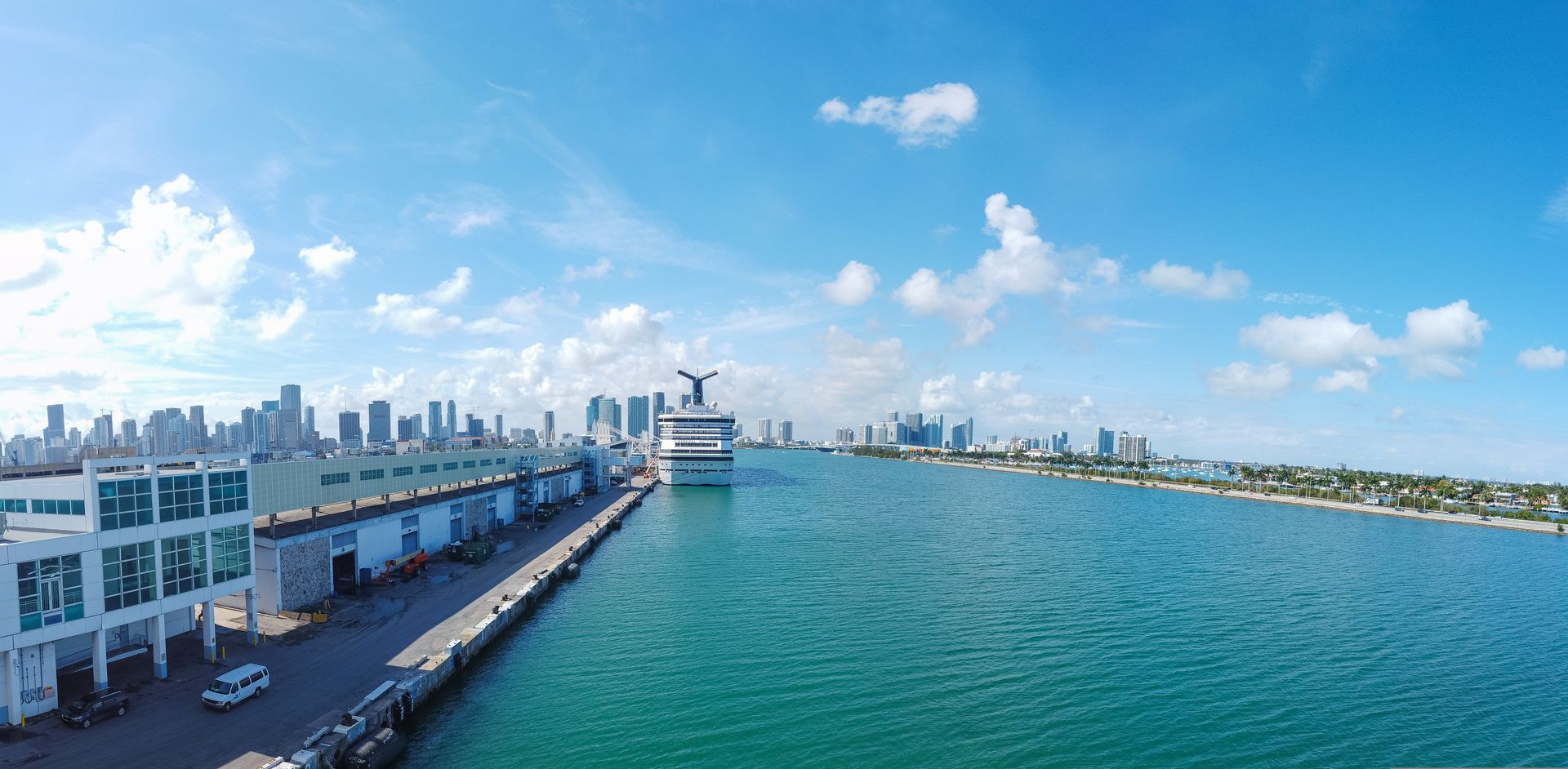
In Q2 of FY 2026 , Colombia trade with PortMiami continued to grow reaching 11,031 TEUs , up from 10,626 TEUs in Q2 FY2025, a year-over-year increase of roughly 4%. Total trade value rose sharply from $371.8 million to $567.1 million , while flows remained import-heavy at about 69% imports and 31% exports, reinforcing Colombia’s role as a key inbound trade partner for South Florida. Stay tuned for the Q3 report for Fiscal Year 2026 (APR. 2026 – JUN. 2026) as we continue to share timely, data-driven updates offering insights into TEUs, tonnage, trade value, trade balance, service routes, as well as top ten imports and exports.
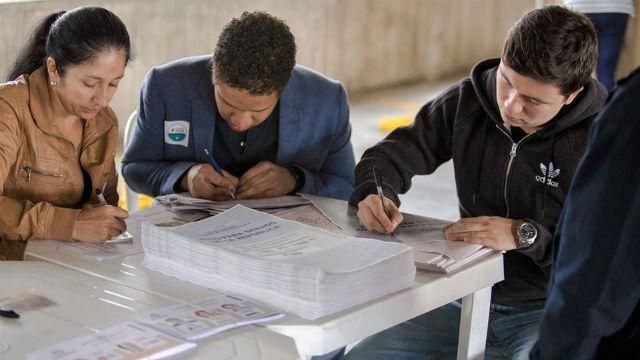
The Consulate of Colombia in Miami is opening a call for applications to register polling station officials for the 2026 electoral processes. Serving as a polling station official abroad is voluntary and an excellent opportunity to contribute to strengthening democracy and electoral transparency. Presidential Elections: May 25–31, 2026 Presidential Runoff Elections: June 15–21, 2026 REQUIREMENTS TO SERVE AS A POLLING STATION OFFICIAL Be between 18 and 60 years old at the time of the election. Have a physical Colombian national ID card (cédula de ciudadanía). Early Voting Dates: Monday, May 25 to Saturday, May 30, 2026 Time: 8:00 AM – 4:00 PM (Local Time) Location: Coral Gables Museum (across from the Colombian Consulate) Address: 285 Aragon Ave, Coral Gables, FL 33134 Voting on Sunday, May 31 Time: 8:00 AM – 4:00 PM (Local Time) Location: Voting station where you are registered. Available Voting Stations
PortMiami is pleased to launch quarterly trade reports highlighting key performance metrics and market trends among its top trading partners. Attached is the PortMiami Quarterly Report for the Latin America and Caribbean region for the first quarter (Q1) of Fiscal Year 2026 (October 2025 – December 2025). Trade from Latin America through PortMiami showed a shift in dynamics in Q1 FY2026, with volume declining by 12%, from 89,267 TEUs to 78,308 TEUs compared to the same period last year. Despite the decrease in volume, total cargo value increased significantly from $5.91 billion to $7.58 billion , indicating a transition toward higher-value goods. With 33 direct services connecting to 45 ports across Latin America and the Caribbean, PortMiami continues to serve as a key gateway for the region, where trade was primarily import-driven, accounting for 74% imports versus 26% exports during Q1 FY2026. The report for the second quarter (Q2) of Fiscal Year 2026 (January 2026 – March 2026) will be released soon , and we will continue sharing timely, data-driven updates, including insights into TEUs, tonnage, trade value, trade balance, service routes, as well as the top ten imports and exports.
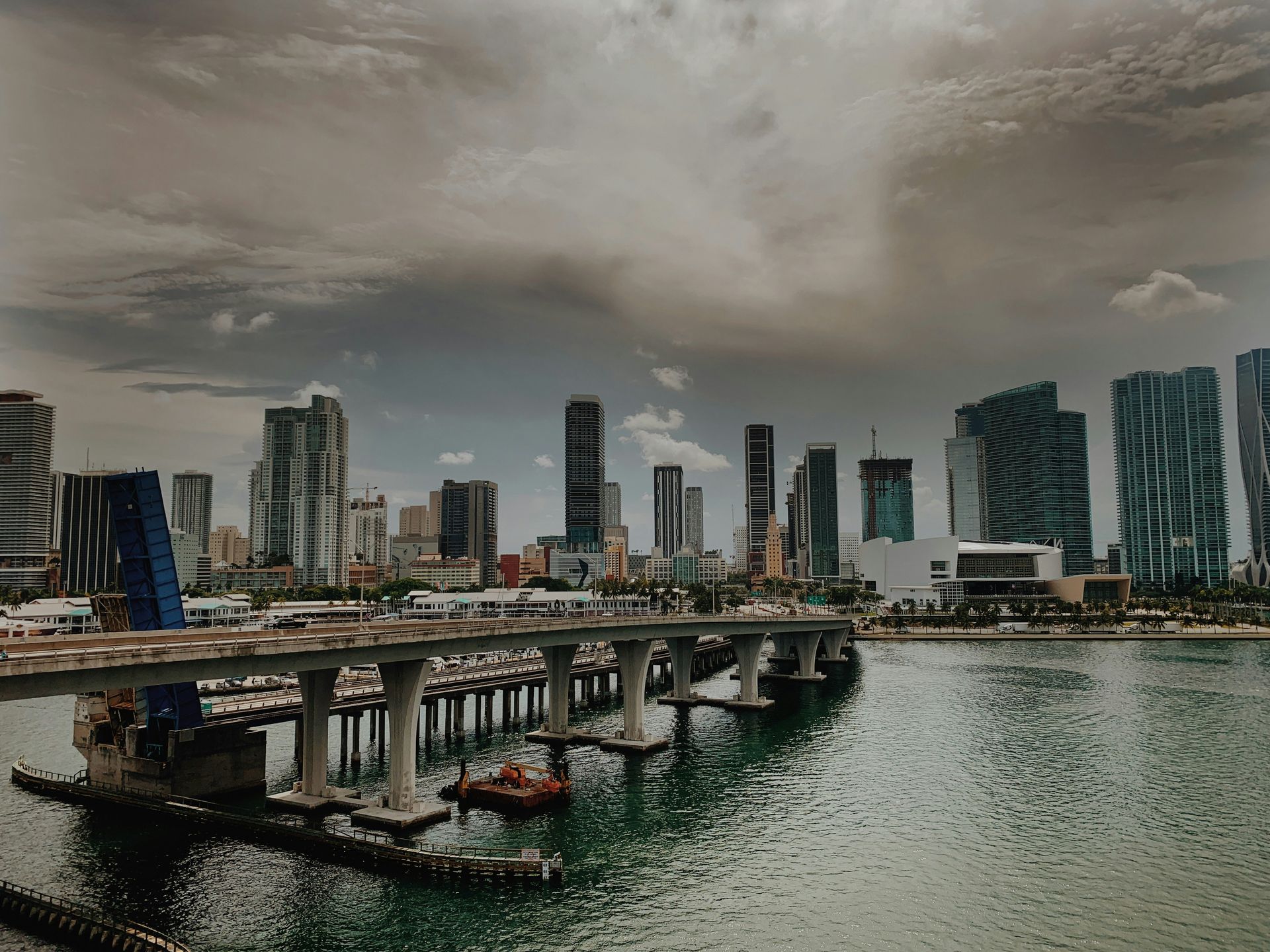
El informe del primer trimestre revela datos sobre TEUs, tonelaje, valor comercial y principales productos del intercambio bilateral.
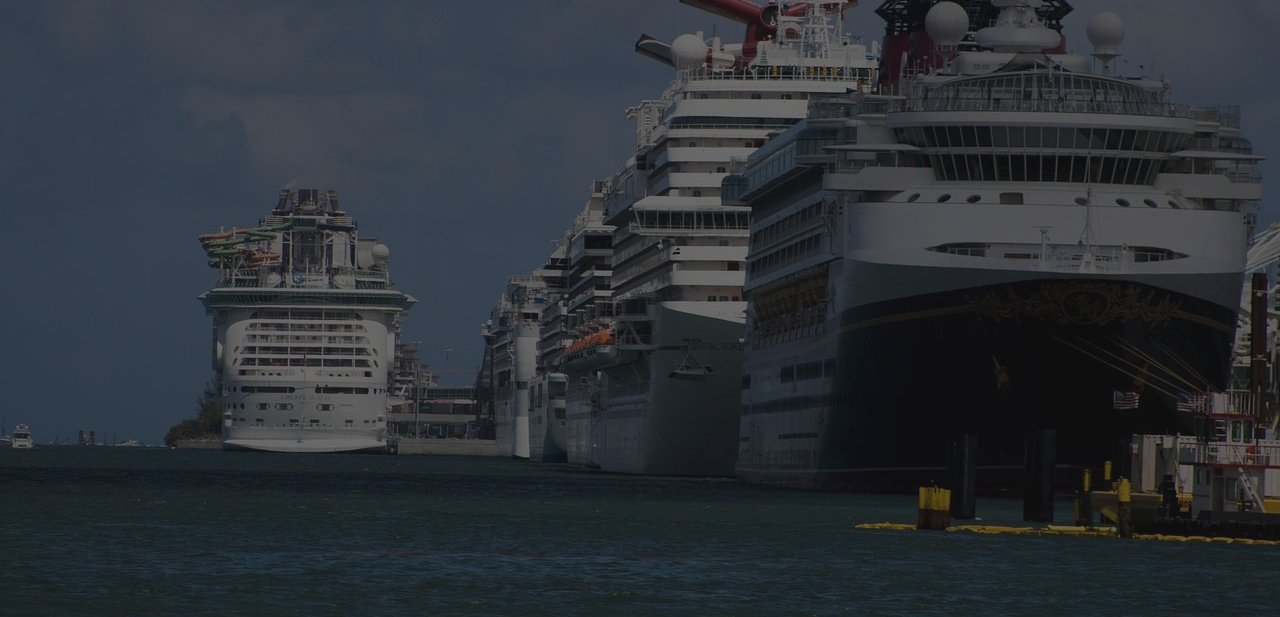
The fourth-quarter report provides key data on TEUs, cargo tonnage, trade value, and the main products involved in bilateral trade.

In an increasingly global, dynamic, and technology-driven business environment, companies seeking to internationalize need more than good ideas—they require solid, adaptable, and future-ready business models. Miami, as a natural bridge between Latin America and the United States, has become a key hub for businesses looking to scale. To discuss how to address these challenges, in an exclusive interview for FEBICHAM, Adriana Madriñán —innovation strategist and mentor at the SBDC at FIU, with over 15 years of experience supporting entrepreneurs in business model design, artificial intelligence integration, and growth strategies toward 2030—shares her perspective on internationalization, competitiveness, and the role of binational chambers in the new economy. 1. From your experience supporting entrepreneurs in Miami, what do you consider to be the main challenge facing businesses seeking to internationalize through binational chambers of commerce such as FEBICHAM? Many companies arrive in the United States with high expectations because it is a large market full of opportunities. However, one of the greatest challenges is truly understanding how this market works. It is highly regulated, niche-driven, and the business culture differs significantly from that of many Latin American countries and other regions. Internationalization requires more than intention; it requires preparation—understanding regulations, timelines, costs, industries, and how business is conducted in the United States. There is also an important operational challenge. In many Latin American countries, lower labor costs allow companies to operate with large teams. In the United States, labor is expensive, so companies must operate with smaller, more efficient structures, and owners are often deeply involved in daily operations. Not all small and medium-sized enterprises arriving in the U.S. are prepared for this shift, which can create difficulties. That is why chambers like FEBICHAM are essential. They allow entrepreneurs to learn from others, better understand the market, and adapt more quickly. Most importantly, they open doors. In the United States, it is difficult to build connections without a strong network, and FEBICHAM provides that strategic access through binational chambers. As a result, business owners can arrive better prepared, adapt quickly, and enter the market with a sustainable strategy. 2. In such a dynamic ecosystem as Miami’s, what differentiating value does FEBICHAM provide to Hispanic businesses seeking to expand into the United States and other markets? FEBICHAM stands out because it not only connects companies but also acts as a bridge between Hispanic entrepreneurs and real opportunities in the United States and beyond. Its mission is to unite binational chambers, facilitate international trade, and provide businesses with clarity, institutional support, and access to reliable resources. In a dynamic and competitive market like Miami, FEBICHAM helps companies understand regulations, business culture, real costs, and commercial dynamics. Its trade missions, business matchmaking events, and networking opportunities allow entrepreneurs to better understand how the U.S. ecosystem—and other markets—operate and to prepare accordingly. However, its greatest value lies in access. Expanding internationally is not simple, and FEBICHAM opens doors that would otherwise take years to access. It shortens the learning curve, provides strategic support, and helps companies approach the market with a realistic vision. 3. You speak about business models prepared for 2030. What essential elements must companies incorporate today to remain relevant in the coming years? We are living through a period of rapid change. Artificial intelligence (AI) is transforming industries at unprecedented speed, and by 2026 most companies are expected to be using it. This shift not only changes how businesses operate but also how customers think, how they expect companies to communicate, and what they value in products and services. Customer expectations have evolved quickly: they demand faster responses, personalized solutions, and clear, efficient experiences. Companies must review their value proposition and business models to align with these evolving needs. This means becoming more efficient, optimizing administrative processes, analyzing data, and making decisions in real time. Even communication is changing: AI interprets data differently, and businesses must learn to be visible not only to search engines but also to AI tools. This progress brings new responsibilities. Sustainability, ethics, and cybersecurity are now essential. By 2030, the companies that succeed will be those that build strong strategic alliances. In this sense, FEBICHAM serves as a strong example: organizations that connect, collaborate, and work together have far greater capacity to adapt and grow. 4. How can AI help small and medium-sized businesses that are part of FEBICHAM become more competitive? AI has leveled the playing field. Previously, only large corporations could access advanced technology; today, SMEs can use tools that enhance their capabilities and allow them to compete more professionally and efficiently. One of the greatest benefits is efficiency—automation of administrative tasks, customer service, supplier operations, and marketing. Sales strategies are also evolving through data-driven segmentation, purchasing pattern analysis, and personalized content. Productivity improves by analyzing finances, reviewing documents, and understanding complex processes more clearly. But the most important shift lies in decision-making and innovation. AI enables SMEs to centralize and analyze data quickly and practically, allowing them to anticipate trends, assess risks, and adapt with agility. What was once complex and costly is now accessible. However, training remains critical. AI not only enhances competitiveness but also drives innovation in operations, products, services, experiences, and communication. 5. What key lessons from your work with organizations such as the SBDC at FIU and others could strengthen FEBICHAM’s business support programs? My experience with the SBDC at FIU and other South Florida organizations has shown me the immense value of local support programs for small and medium-sized business owners. Miami-Dade has a free support structure that does not exist in many Latin American countries. The SBDC, for example, offers personalized, no-cost consulting on strategy and business models, access to capital, marketing, import/export, human resources, and U.S. government contracting opportunities. Other organizations such as Branches, Ten North Group, Prospera, and Ascendus provide financial education, access to capital, growth support, and even AI training. Entrepreneurs who leverage these resources grow faster. They build networks, adapt ideas to market realities, and operate with greater clarity. FEBICHAM has actively worked to integrate and promote these programs within binational chambers to benefit its members. 6. What common mistakes do you observe when businesses design strategies to enter new markets, and how can FEBICHAM help prevent them? The most common mistake is assuming that what worked in the country of origin will work the same way in the United States. It rarely does. Consumer preferences shift with acculturation, and purchasing behaviors, decision-making processes, and problem-solving approaches differ. Proper market research is essential. Companies often underestimate regulations, timelines, and costs. Registering a company in Florida may be easy, but operating successfully is more complex. Many businesses lack the financial structure to sustain operations for 12 to 24 months while gaining real traction. Additionally, insufficient networking and limited understanding of regulatory and commercial processes adapted to the U.S. market create further challenges. FEBICHAM helps mitigate these risks by offering a smoother market entry: access to experienced entrepreneurs, clear regulatory and sales guidance, and institutional connections that accelerate integration. This reduces risk and enables more strategic decisions from the outset. 7. Looking toward the next decade, what strategic initiatives should FEBICHAM prioritize? FEBICHAM already provides valuable services: financial assistance guides, community-building events, trade missions, business matchmaking, and strategic networking. Its partnerships, such as collaboration with the SBDC at FIU, are essential for entrepreneurs starting in the U.S. Looking toward 2030, conscious adoption of AI is critical. It is not just about using tools—it is about redesigning business models, understanding rapidly changing customers, and preparing for new regulations. Three forces are already transforming industries: artificial intelligence, climate change, and social change. Over the next three years, we will see accelerated technological shifts, greater demand for transparency and efficiency, stronger sustainability requirements, new environmental regulations, more demanding consumers, and advanced automation reshaping operations and value propositions. Preparing entrepreneurs for these shifts is not optional—it is essential. Strategies should focus on four areas: AI training for efficiency, strong data analytics programs, advanced market and industry knowledge, and new communication approaches and business models. It is also critical to strengthen climate resilience, promote more flexible and circular business models, and help entrepreneurs develop value propositions aligned with evolving social expectations and consumption patterns. As technological change accelerates, companies will need more agile and efficient structures. FEBICHAM is well-positioned to lead this process and support entrepreneurs in their growth toward the next decade. Source: FEBICHAM (7/1/26). Read the full article here .

The Greater Miami Convention & Visitors Bureau (GMCVB) reported $21.3 billion in visitor spending and anticipates strong momentum driven by the FIFA World Cup and new developments in Miami Beach.
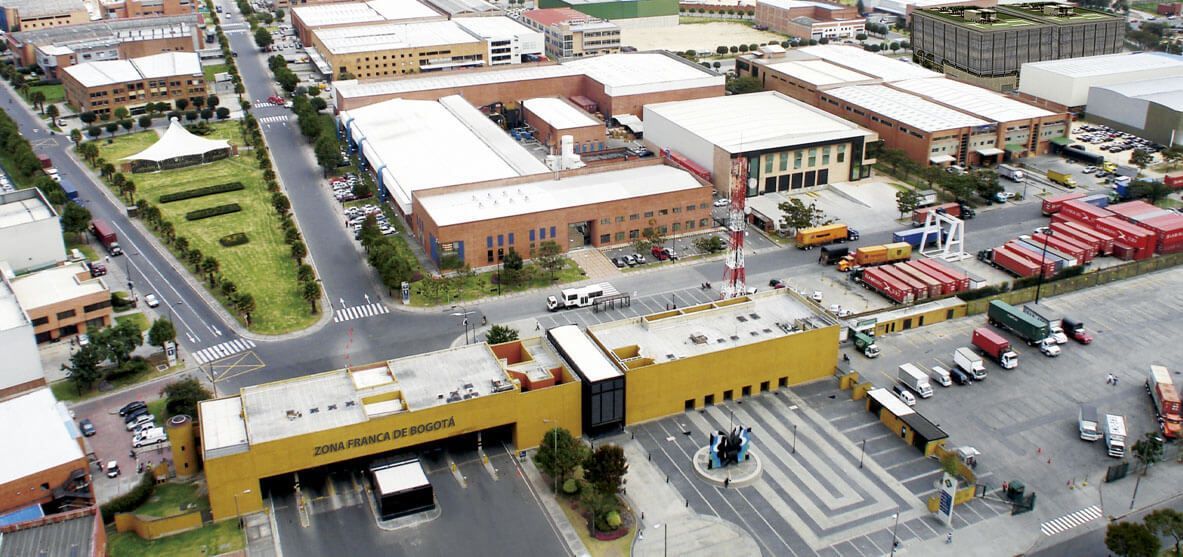
According to the Ministry of Commerce, integration will take place through two key transformations.